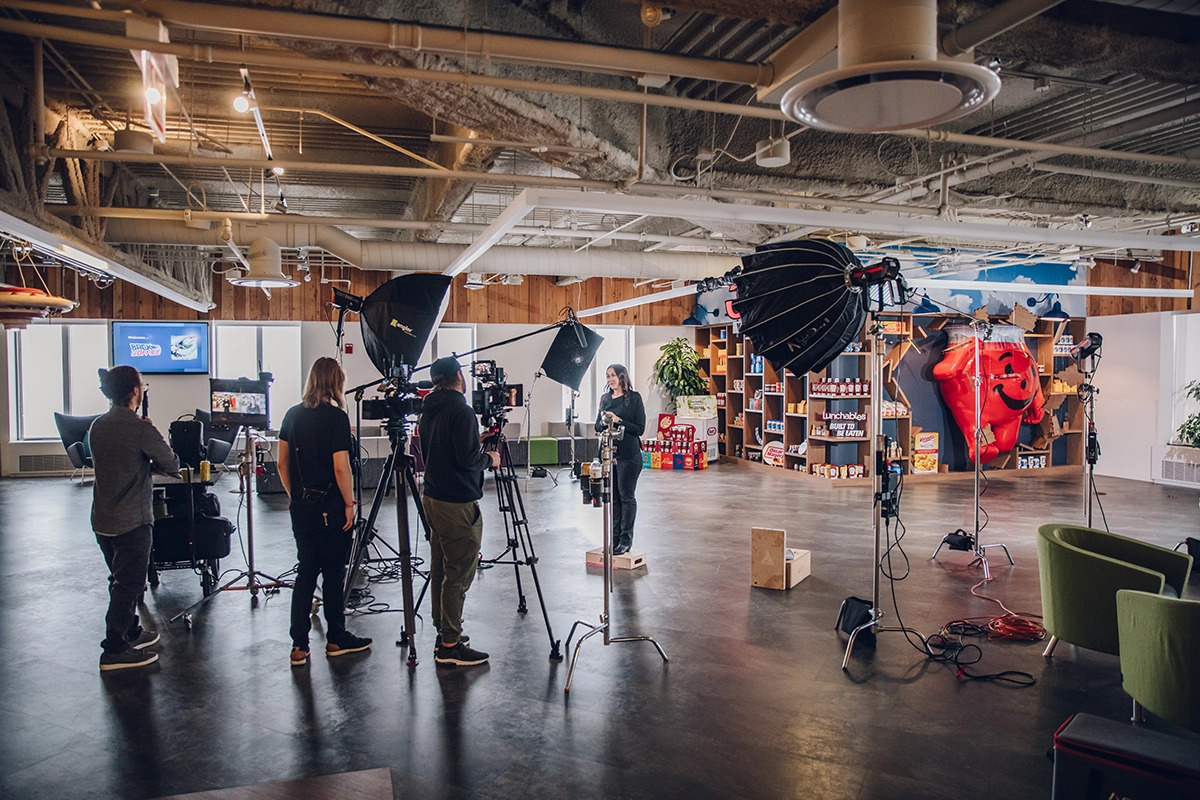
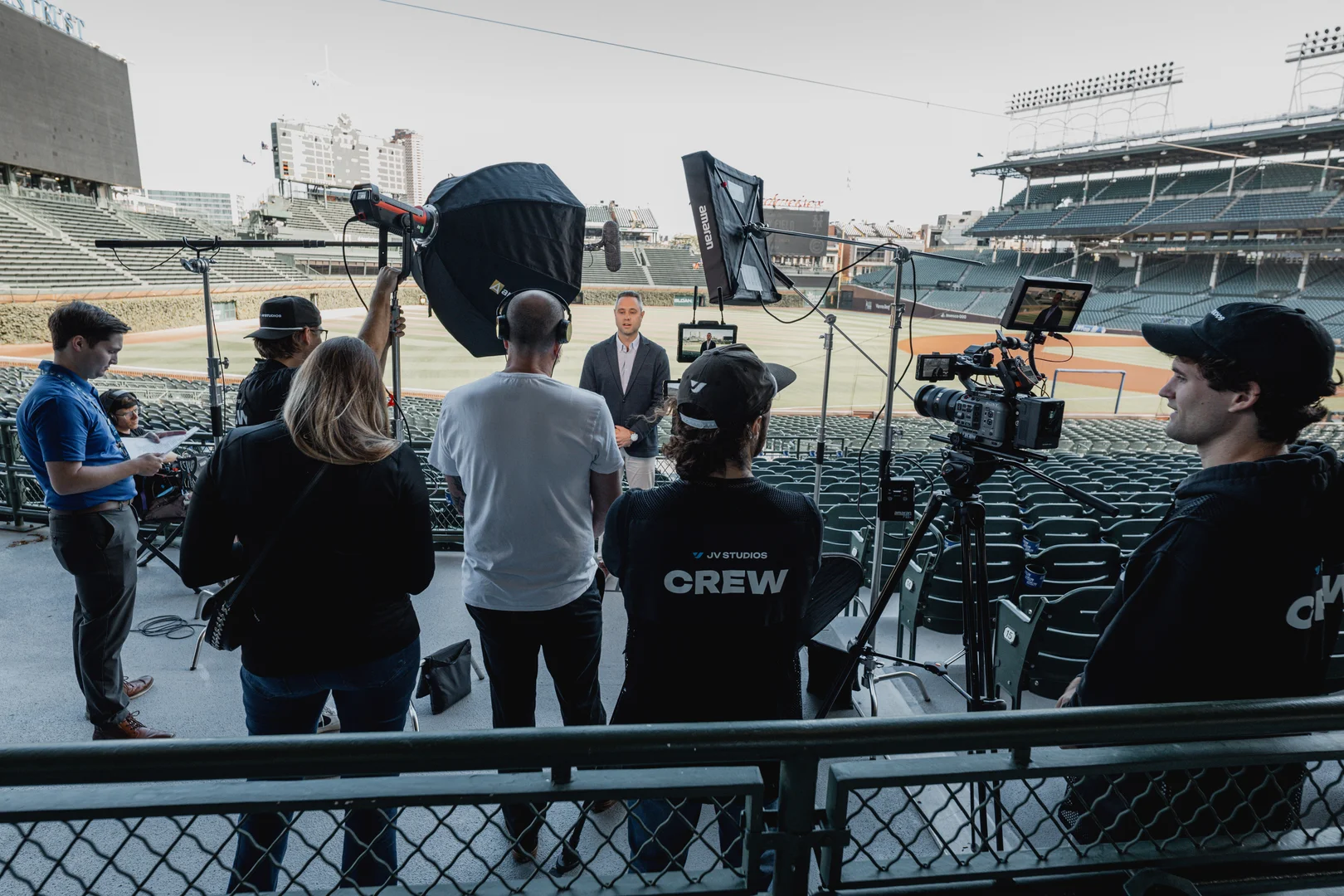
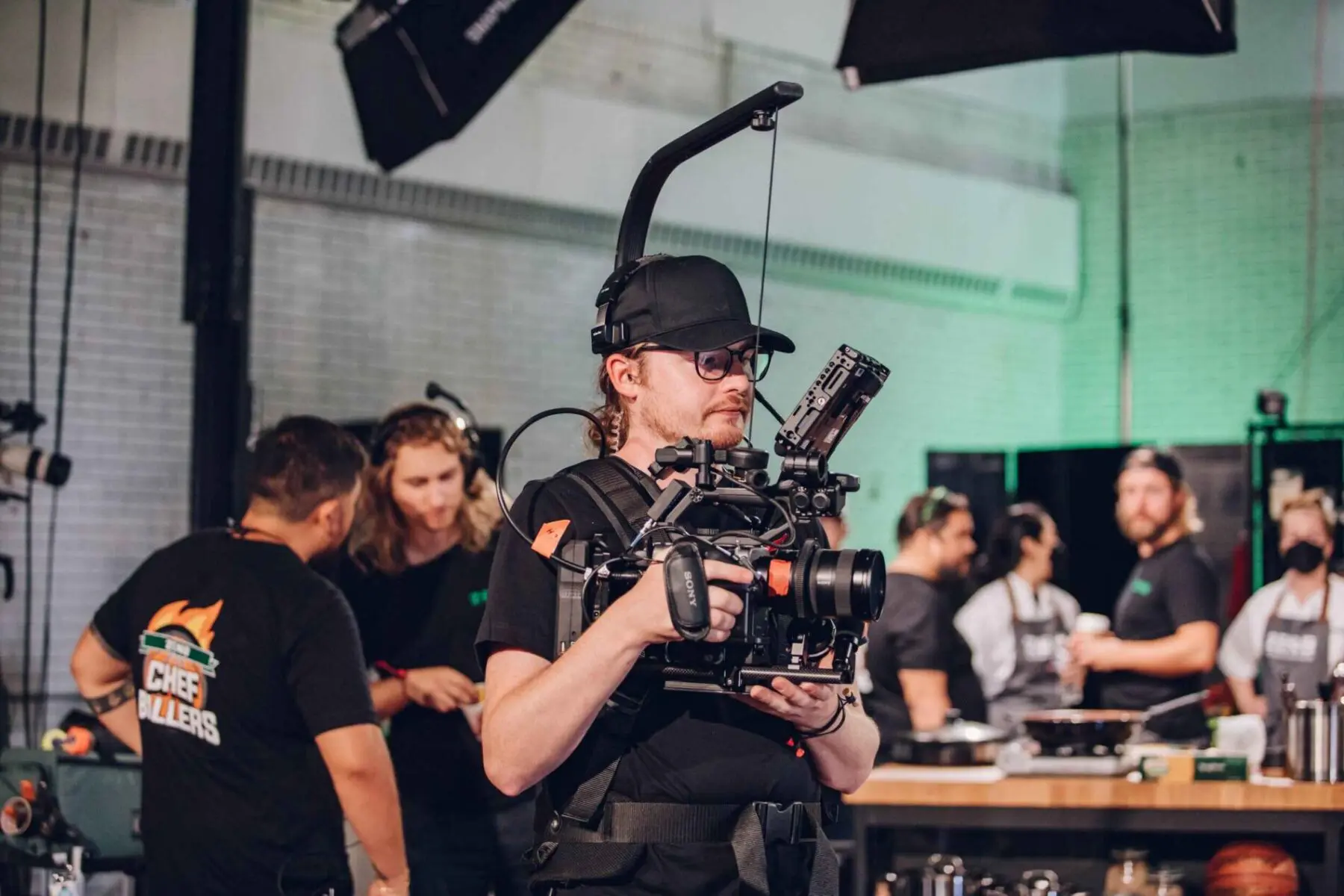
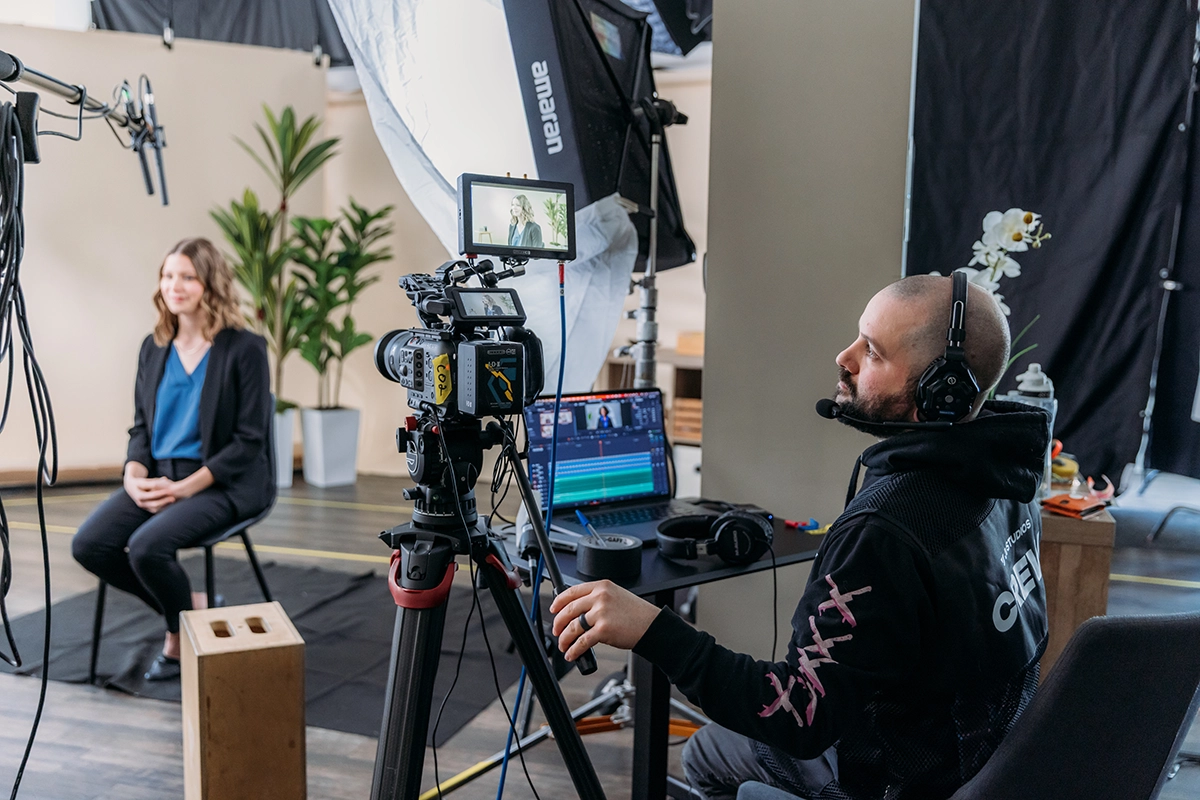
This year has marked a major shift in content creation, particularly in the age of AI. It’s now more important than ever to stand out from competitors, especially since everyone has access to the same tools.
Today’s consumers want content that feels genuine and aligned with a brand’s core values. 2025 has reinforced that thoughtful, purpose-driven content is essential for brands looking to cut through the noise and build lasting relationships with their audience.
Visual Storytelling Trends That Defined 2025
In 2025, visual storytelling evolved into a core strategy for building authentic brand narratives. The most significant shift this year was the growing demand for content that, well…feels human.
Consumers are drawn to real stories, whether it’s behind-the-scenes moments or content that shows the people behind the brand. This year, we saw an increasing focus on story-first thinking across photography and video content, and brands that embraced this shift were able to create stronger consumer connections.
Photography as a Core Content Strategy
Photography has become an essential part of a brand’s overall content strategy. This year, brands began treating commercial photography as long-term infrastructure that could be repurposed across multiple platforms and campaigns.
Brands are also planning their shoots with reusability in mind. Every photo taken today is viewed through the lens of its future use, whether it’s for website content or a social media post. Event recap photography, for example, can serve a brand over time and can be used across different channels for various purposes.

How Video Content Strategy Changed in 2025
In 2025, video content underwent a significant transformation, with short-form and modular videos emerging as the standard for telling brand stories. And if you don’t know what a “modular” video is, think of it like a LEGO set, where different segments can be easily mixed and matched.
Commercial videography can easily be repurposed and adapted for various formats and platforms, saving time and resources. This flexibility allows brands to reach their audience wherever they are, increasing overall engagement and maximizing their investment in high-quality video production.
Video planning is also starting much earlier in the marketing process. It’s no longer an afterthought. Brands that integrated video earlier into their campaigns were able to create more impactful, cohesive content that performed better across channels.
Why Visual Marketing Strategy Matters More Than Ever
As digital competition increases, brands are realizing that visuals must align with broader business goals and their brand positioning. Consistency is also an important part of this.
Whether it’s on social media, your website, or in email campaigns, maintaining a consistent look and feel helps build a recognizable brand. When consumers see familiar visuals, they begin to trust the brand more, which ultimately drives stronger loyalty and engagement.
Strategy-driven visuals are also outperforming one-off content. Brands that integrate their visuals into a larger marketing strategy are seeing better results. These visuals are tied directly to business objectives, whether it’s brand awareness, lead generation, or sales conversion.
The Growing Importance of Marketing Content Planning
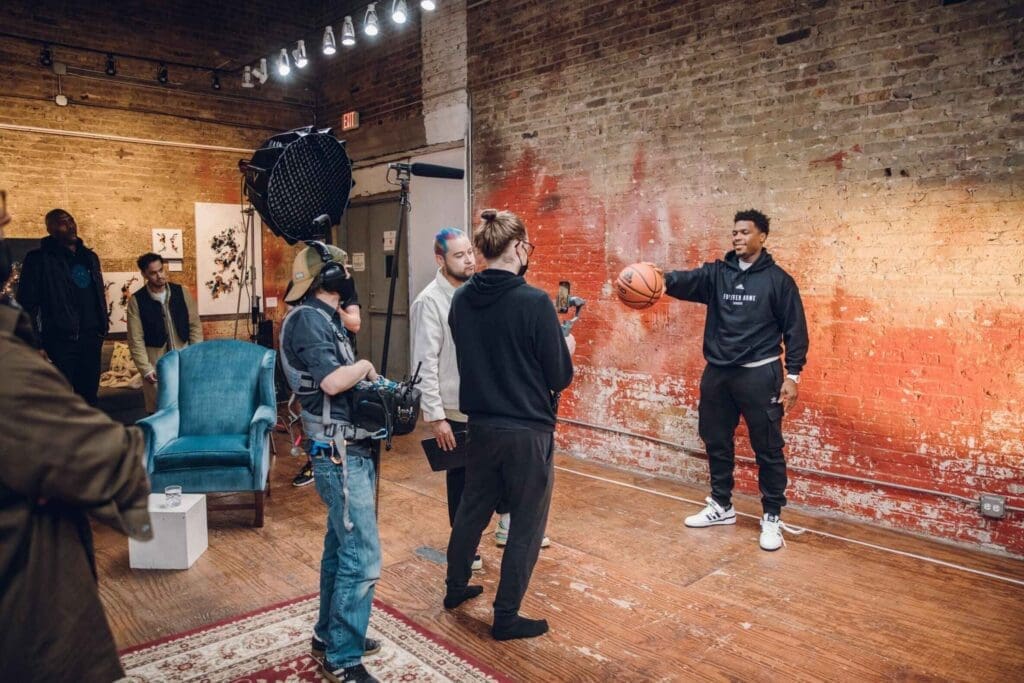
Content planning became a huge part of the marketing process in 2025. The most successful brands moved from last-minute content creation to a more proactive approach. This shift has led to better content strategies, where each piece of content is created with a clear purpose.
Brands are now proactively planning their photography and video content to align with upcoming campaigns, product launches, and events. With effective planning, brands can organize fewer, more sophisticated productions rather than multiple shoots throughout the year.
What 2025 Reinforced for Brands and Creative Teams
If there’s one thing 2025 reinforced for brands and creative teams, it’s that strategy comes first. This year, brands that focused on storytelling first and strategy second saw the best results.
Creative teams are working more closely with other departments, such as marketing and sales, to ensure content aligns with the company’s broader objectives. This collaboration is key to making sure creative work supports broader business goals and drives tangible results.
Brands that took a more collaborative, strategic approach to content production executed stronger campaigns that resonated with their audiences.
Looking Ahead to 2026
Looking ahead, it’s clear that visual content expectations will only continue to rise. With more brands investing in strategic visual storytelling, those that enter 2026 with a clear creative direction and digital content strategy will have a competitive edge.
As you prepare for the new year, it’s important to partner with a team that understands the power of visual storytelling and can help you craft content that truly resonates. And at JV Studios, we can help you get there with our photo, video, and creative content marketing services.
Let’s make 2026 epic.